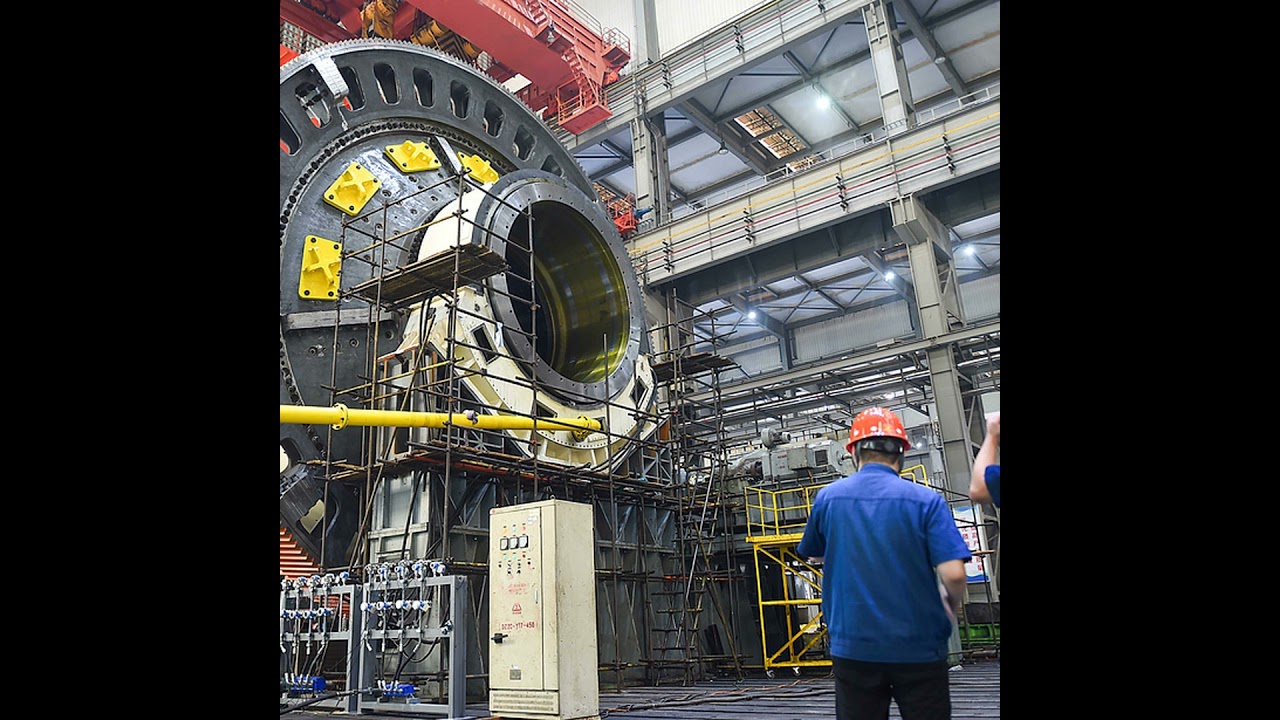
China industrial output August 2026: the NBS release says factories made 5.2% more and robots 34.6% more while its own buyers invested 7.2% less, and that is why Chinese quotes into Pakistan keep falling
The headline on 15 September was that China's industrial output beat forecasts. The release it came from says something more useful, and says it in its own closing paragraph: "the domestic imbalance between strong supply and weak demand is still acute." Read the numbers in that order, supply then demand, and the document explains the Chinese quotations that keep landing in Karachi below everyone else's.
The document is the National Bureau of Statistics' August release, published 15 September. What follows is what it says, with the paragraph numbers, and then what it does to a Pakistani buyer.
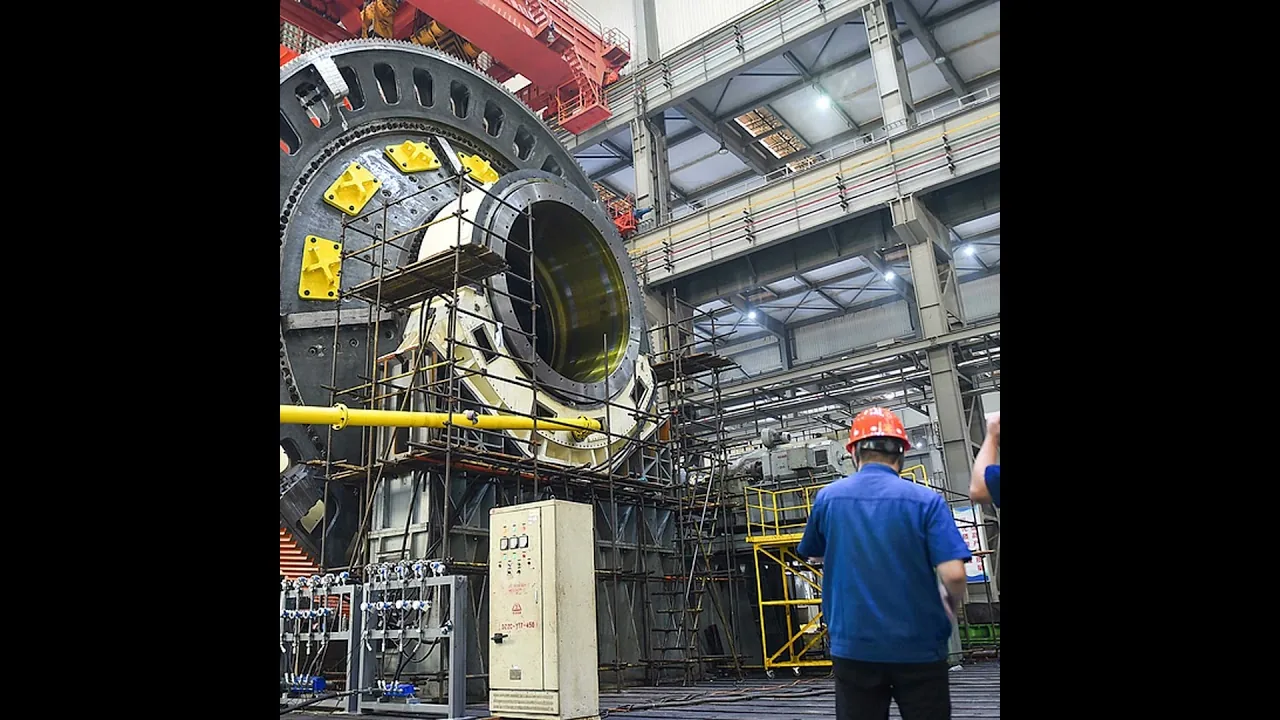
What the release says about supply
Paragraph 1. Value added of industrial enterprises above the designated size rose 5.2 per cent year on year in August, 0.7 points faster than July, and 0.54 per cent on the month. Trading Economics had the consensus at 4.8. Manufacturing alone was 6.1 per cent. Equipment manufacturing was 12.1 per cent and high-tech manufacturing 16.7. Three product lines are named: lithium-ion batteries up 57.2 per cent, industrial robots up 34.6 per cent, 3D printing devices up 29.9 per cent.
One definition matters here and is usually left out of the reporting. Note 2 of the release says "above the designated size" means an annual revenue from principal business over 20 million yuan. The 5.2 per cent is the larger factories. The Manufacturing PMI in the same paragraph is 49.8, which is contraction, and industrial profits for January to July are up 17.6 per cent. Big exporters growing and profitable; the average plant below the threshold not counted, and the survey of the whole sector still under 50.
What it says about demand
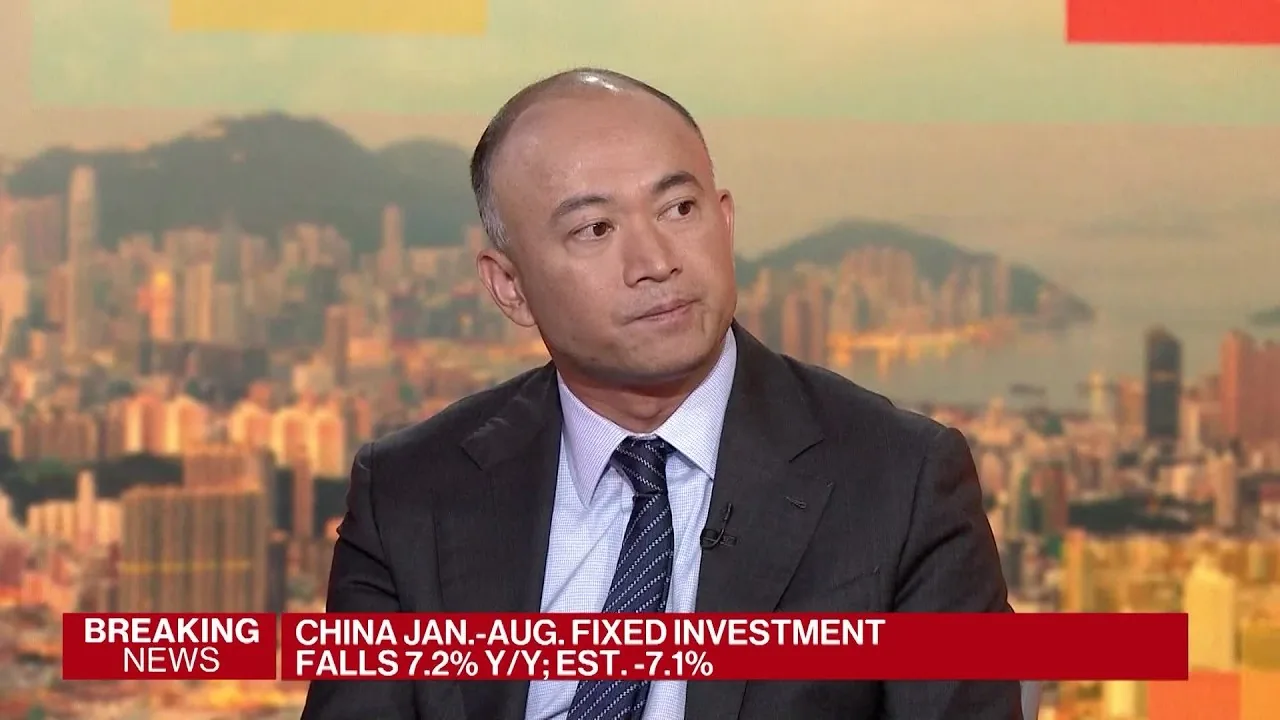
Paragraph 4. Fixed-asset investment for January to August is down 7.2 per cent. Strip out property and it is still down 4.2. Manufacturing investment is down 2.3 per cent, infrastructure down 4.0, real estate down 19.9. Private investment is down 10.1 per cent.
Paragraph 3. Retail sales of consumer goods in August rose 0.4 per cent year on year and fell 0.13 per cent on the month.
Set the two halves side by side, using only the release's figures:
| Made more of (August, y/y) | Bought less of (Jan–Aug, y/y) |
|---|---|
| Industrial robots +34.6% | Manufacturing investment −2.3% |
| Equipment manufacturing +12.1% | Private investment −10.1% |
| Manufacturing value added +6.1% | Fixed-asset investment −7.2% |
| Lithium-ion batteries +57.2% | Retail sales of goods, August, +0.4% |
A country that builds 34.6 per cent more industrial robots while its own factories spend 2.3 per cent less on plant is not installing those robots at home.

The paragraph that reconciles them
Paragraph 5. Exports in August were 2,727.4 billion yuan, up 18.6 per cent. For January to August, exports of mechanical and electrical products are up 21.9 per cent, and exports by private enterprises up 17.6 per cent. That is where the equipment went. The 10 September post on this site covered the customs figure and where it landed; the NBS release adds the production side, and the two documents agree.
Paragraph 7 supplies the margin. Producer prices rose 3.8 per cent, purchasing prices 5.8. The 9 September post explained why those two halves disagree; the short version is that input costs are rising faster than the price a factory can charge, at home. Abroad, in dollars or rupees, it can charge what it likes as long as it comes in under the Taiwanese quote, and the Taiwanese makers' own association said on 13 September that its members have lost the 20 to 30 per cent gap they used to hold under Japanese machines. That leaves the Chinese offer as the only cheap one on the desk.

What it does to a buyer in Pakistan is two things, and they pull in opposite directions.
The quote will be keen. A supplier whose home market is shrinking and whose input costs are rising has one lever, volume abroad, and it will use it. Motors, generators, machine tools, welding sets: expect the next round of Chinese offers to come in under the last, and expect the Taiwanese and Indian alternatives to be asked to match.
The supplier may be the one whose working capital is tightest. Private investment down 10.1 per cent and a PMI under 50 for the sector as a whole describe a lot of factories below the 20-million-yuan threshold that are not in the 5.2 per cent. The plant quoting you 15 per cent under everyone else may be one of them. The RFQ post on the workshop site already sets out stage payments and a pre-shipment inspection; this release is the reason to insist on them rather than trade them away for another two points of discount.
Now the call, which is mine and not the bureau's. The next release is due 15 October and covers September. I expect manufacturing investment to be down by more than the current 2.3 per cent year to date, and mechanical-and-electrical exports to still be growing above 20 per cent. As long as those two numbers point the way they do now, I expect Chinese equipment quotes into Pakistan to keep falling in real terms through the end of the first quarter of 2027. If the October release shows manufacturing investment turning positive, the argument in this piece is over and the price floor is in.
Until then, the document to keep is the release itself, not the headline. The bureau wrote "strong supply and weak demand" in its own summary. It did not write "beat forecasts".
Sources
- National Economy Remained Steady with Innovation-Led and High-Quality Development in August, National Bureau of Statistics of China, 15 September 2026 (all figures above unless stated)
- China Industrial Production, Trading Economics (the 4.8 per cent consensus)
- China's industrial output up 5.3 pct in first 8 months and China's industrial robot output up 28.5% in first seven months, CGTN Podcasts (YouTube; images)
- China Economic Momentum Stays Weak as Consumption Falters and How AI is Transforming China's Economy, Bloomberg Television (YouTube; images)
- China's July 2026 Industrial Production Grows 4.5%, But Demand Signals Flag Caution, Wenjin Hua (YouTube; image)
- Earlier on Vesprr: China's exports rose 25% in August, or 18.6% (10 September); China's factory-gate prices rose 3.8% (9 September); Taiwan's machine-tool exports fell 4.6% (13 September); What to send with a machining RFQ (6 September)