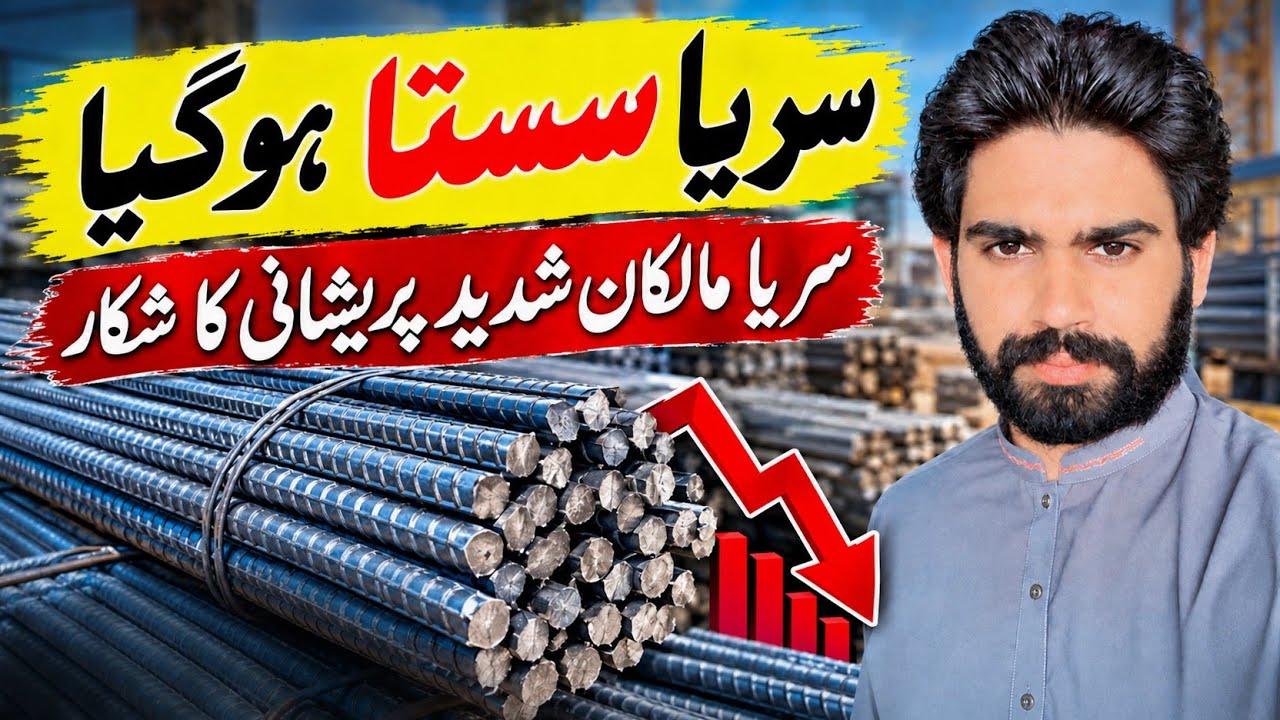
Pakistan LSM July 2026: billets down 32%, trucks up 94%, and why the bar on your lathe this quarter is imported
A billet is a bar of steel about 130 mm square that gets rolled into the round stock you chuck in a lathe. Pakistan's mills made 200,000 tonnes of them in July. Last July it was 295,000. That is the line in PBS's July index that matters to anyone with a part to make, and nobody in the trade press printed it.
The headline they did print: large-scale manufacturing up 3.03% on July 2025, after May at −1.18% and June at −3.52%. Index 119.13, up 9.51% on June. The financial year just closed at +4.98%. Fine. The index is 123 product lines with weights, and the average hides the shop floor.
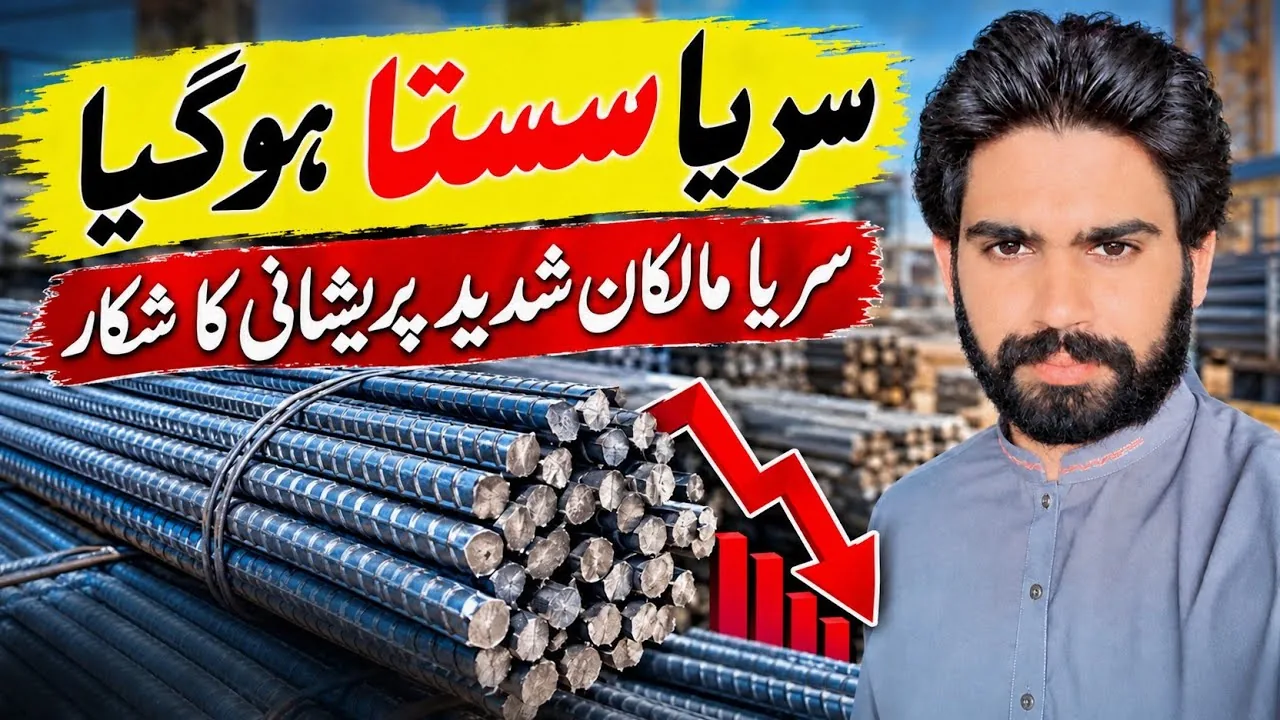
Here is what the table says about metal and the people who buy it.
| Line (PBS Table 1) | July 2026 | July 2025 | Change |
|---|---|---|---|
| Billets and ingots | 200,000 t | 295,000 t | −32.2% |
| HR/CR sheets, strips, coils, plates | 276,500 t | 286,700 t | −3.6% |
| Fabricated metal (index) | 76.85 | 67.68 | +13.6% |
| Razor blades and cutlery | 121.2m pcs | 106.2m pcs | +14.1% |
| Cars | 16,363 | 9,881 | +65.6% |
| Trucks | 1,203 | 619 | +94.3% |
| Motorcycles | 210,727 | 149,806 | +40.7% |
| Tractors | 1,502 | 1,762 | −14.8% (−46% on June) |
Source: PBS, Table 1, QIM July 2026, provisional. Percentages are PBS's own columns, not my arithmetic.
Read the top and the bottom together. The melt shops made a third less billet. The assembly lines made two-thirds more cars and nearly twice the trucks. Every truck has a chassis, spring hangers, U-bolts, a fifth-wheel plate. Every motorcycle has a frame and a swingarm. The steel came from somewhere, and PBS's own import table says where: 518,392 tonnes of iron and steel landed in July, up 52% on the year, at $604 a tonne. In August the tonnes fell to 287,128 and the price rose to $631.
So the bar on your rack this quarter is imported. That is the one sentence to take from July's index.
It changes three things at the machine.
Certificates. Local billet from a Punjab induction furnace comes with a mill certificate you can argue about on the phone. Imported bar comes with a certificate in the container, and in my experience it is often for a different heat than the bundle in front of you. If the job is an axle bracket for a truck line running at double last year's rate, the customer's inspector will ask for the cert. Get it with the quote, not with the delivery.
Setup. Bar that lands at $604 to $631 a tonne is not free-cutting stock, and it will vary bundle to bundle. Set up for the softer end, check hardness on the first bar of each bundle, and budget inserts on what the last lot actually ate, not on the supplier's sheet. The 2 am shift does not get to renegotiate.
Price. This is my call, not PBS's. Demand for fabricated metal is up 13.6%. Domestic billet is down 32%. Imported tonnes fell 45% between July and August while the landed price rose $27. Fewer tonnes coming in and more trucks to build means the price goes one way. I expect PBS's September import file, due around 18 October, to show iron and steel landing above $650 a tonne, and I expect billets in the August index, due mid-October, to stay under 250,000 tonnes. If billets come back above 250,000, the furnaces have restarted and I am wrong about the source. If the price prints under $631, the truck lines have slowed and I am wrong about the demand.
What I would do this week: buy the bar for October's confirmed jobs now, at September's price.
Two other lines from the same table, because customers will ask.
Tractors: 1,502 in July, down 46% on June. That is the gap between the kharif and rabi seasons, the same every year, and the tractor plants' vendors plan around it. It does not mean the agricultural line has died. Watch September's number, not July's.
Electrical: transformers 977, down 32% on the year; switchgear 601, up 91%; storage batteries 7,847, up 21% on the year but down 29% on June. Imported electrical machinery was down 44% on the month in the August table; the domestic line is down 11% on the month here. Same direction. Whatever was pulling batteries and switchgear paused in July. PBS does not say why, and neither will I.
One caution PBS prints and the papers drop. The index is provisional and gets revised. And July's +9.5% on June is partly calendar: Ashura fell in late June this year and in early July last year, so June 2026 carried holiday days that July 2025 did. The year-on-year 3.03% is the cleaner number. The billet line is clean either way: 200,000 against 295,000 has no holiday in it.
Sources
- Summary of Provisional Quantum Index Numbers of Large Scale Manufacturing Industries (QIM) for July 2026, Pakistan Bureau of Statistics, 16 September 2026, with Table 1 and the monthly series file.
- Pakistan machinery imports July 2026 and Pakistan imports August 2026, Vesprr, for the import tonnes and landed prices.
- Latest Steel rate in Pakistan today | Massive Steel Price Crash, MA Info, YouTube.
- Steel price today | today steel rate updates pakistan, Price Dunia, YouTube.
- Petroleum, automobile, cement, and garment production increased during November 2025, Mediatrack, YouTube.